







Search Results for: Fully Automatic Milk Frother
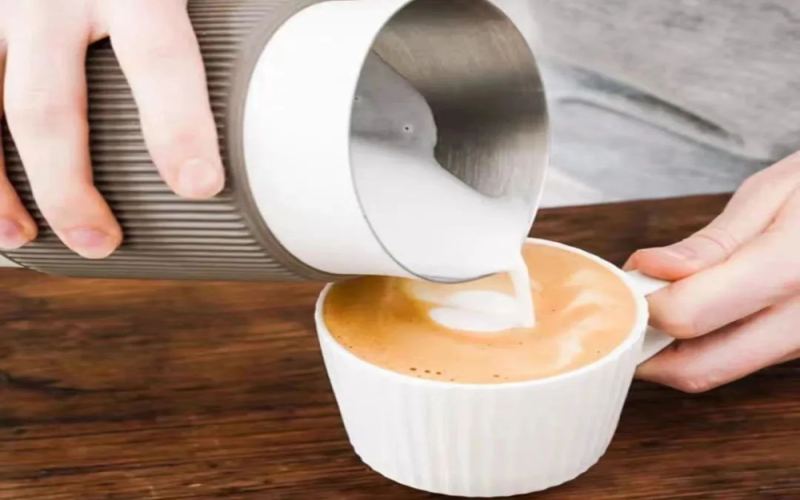
A Detailed Guide to Using the Fully Automatic Milk Frother NanoFoamer Pro: Can Electric Milk Frothing Achieve Latte Art Effects?
To create outstanding latte art, dense and velvety milk foam is the fundamental prerequisite, and this typically relies on a pressurized espresso machine. However, in a home setting, even with an espresso machine, it is difficult to produce ideal milk foam without long-term practice. Most electric milk frothers on the market struggle to achieve the fine texture required for latte art; the foam is often coarse and clumpy, good enough at best for making a heart shape. Recently, a fully automatic milk foam whipper called NanoFoamer Pro has drawn attention, claiming to produce coffee-shop-quality milk foam and making "latte art freedom" at home a possibility. This article will provide a detailed introduction to this product's operating steps, function modes, pricing information, and design highlights, and explore whether electric milk frothing can truly be used for latte art. [more…]
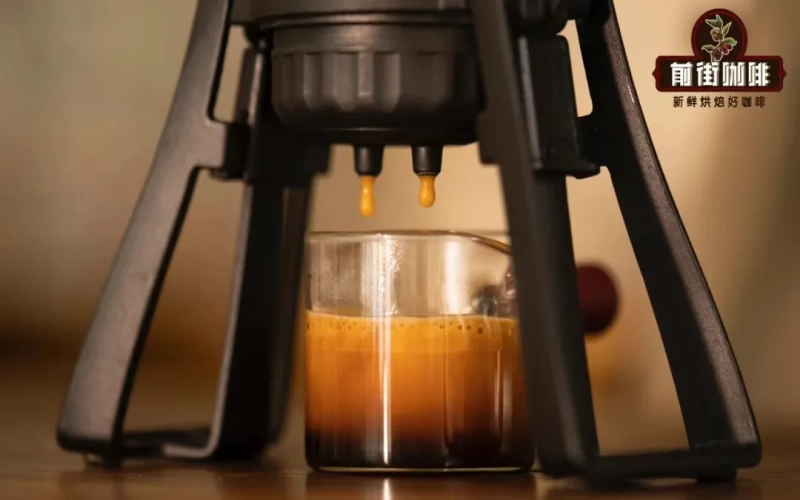
How to froth latte milk foam at home? How to deal with milk foam that is too thick? What is the appropriate milk temperature for cappuccino?
Nowadays, high-pressure extraction tools such as manual presses and dual-valve moka pots are emerging one after another. Even without an expensive fully automatic or semi-automatic espresso machine, you can still make a cup of strong coffee at home that is close to espresso flavor. However, these devices cannot directly provide milk foam like a coffee machine. If you want a "latte" or "cappuccino" with a velvety texture, you still need to find another way. In this article, Front Street will guide you through the principles of milk foam formation, teach you step by step how to make milk foam at home with an electric milk frother, answer common questions such as foam that has been whipped too thick or has a rough surface, and finally discuss the optimal temperature of milk for cappuccino. [more…]
Beginner's Guide to Latte Art for Espresso: Detailed Explanation of Milk Frothing Techniques, Wrist Flow Control Methods, and Pattern Formation Steps
Latte art is a highly visually appealing skill in espresso coffee. From cappuccino to latte, the patterns created by the delicate milk foam blending with espresso always catch the eye. For beginners new to espresso, latte art is not just a visual presentation; it also tests a comprehensive grasp of milk foam texture, timing of integration, and wrist control. This article will systematically organize the origin and development of latte art, explain in detail the key steps of milk frothing and latte art operation, and provide practical advice for common mistakes made by beginners, helping you understand and practice this professional skill from scratch and gradually make a cup of latte art coffee that excels in color, aroma, and taste. [more…]
A Comprehensive Review of Fully Automatic and Semi-Automatic Coffee Machine Brands: Comparing De'Longhi, Saeco, Jura, and More
There are many coffee machine brands on the market, from fully automatic to semi-automatic, each with its own positioning and features. This article systematically reviews fully automatic brands such as Delonghi, GAGGIA, Saeco, JURA, Krups, RayStar, and Solis, as well as semi-automatic brands including Rancilio, Nuova, Conti, la pavoni, la Cimbali, Reneka, sanremo, Expobar, Monroc, Wega, and Brasilia, covering each brand's main models, reference prices, core functions, and market reviews. Whether you are just starting out and looking to choose a home machine, or planning to add equipment for a coffee shop, you will find valuable references here. At the end, the article also provides a categorized summary based on recommendation level, making it easy to quickly identify the model that suits you. [more…]
The Complete Process of Making Fancy Coffee: From Grinding and Brewing to Milk Steaming and Latte Art Techniques
Fancy coffee is a leisure drink beloved by many, but its preparation process is not complicated. This article breaks down, step by step, the practical methods for making fancy coffee at home—from grinding coffee beans, brewing coffee, frothing milk, to pouring latte art and blending—and reminds you of easily overlooked details such as grinding temperature and the best time to drink it. It also recommends Front Street Blue Mountain coffee, which is suitable for making fancy coffee, as well as practical equipment such as hand-cranked coffee grinders, electric coffee grinders, French presses, siphon pots, milk frothing pitchers, and coffee cups, helping coffee lovers easily enjoy the pleasure of homemade fancy coffee. [more…]
A Complete Guide to De'Longhi Coffee Machine Fault Indicator Lights: Meanings of Various Lights and Flashes and Troubleshooting Methods
During the use of a De'Longhi fully automatic coffee machine, the indicator lights on the panel convey the machine's operating status and fault information through different states. Understanding the meaning of these light signals can help users quickly identify problems and take the correct measures. This article systematically organizes the common fault light behaviors of De'Longhi coffee machines, including warning lights turning on, lights flashing, and lights staying steadily on, and provides detailed troubleshooting steps and repair suggestions for specific issues such as a damaged brewing unit motor, coffee flowing too slowly, a clogged grinder, and a full grounds container. It also reminds users to pay attention to protecting the circuit board during inspection and repair to avoid secondary damage caused by improper operation. [more…]
Must-read for coffee beginners: 100 key Q&As to master the basics from scratch
Friends who are new to coffee are often intimidated by all the technical jargon and complicated equipment, but coffee really isn't that mysterious. Starting from zero, this article helps beginners set aside their preconceptions and systematically lays out the basic types of coffee, brewing tools, and ways to drink it. Whether you want to understand the difference between instant and single-origin, or you're curious about how to drink espresso, you'll find clear and easy-to-follow answers here. The article also covers common coffee equipment choices, and how to slowly develop your own coffee taste without any pressure. It's worth mentioning that many of Front Street Coffee's single-origin beans are also suitable for beginners to try, helping you easily take your first step into the world of coffee. [more…]
Moka Pot + Milk Coffee: Is One Bag of Beans Enough for Home? A Buying Guide for Dark Roast Arabica
The coffee corner at home isn't very big: a moka pot, a milk frother, and occasionally I want to make a decent latte. When buying beans, the question arises—can the beans used for a moka pot and the beans used for milk coffee be the same bag? Yes, and many people do exactly that. The key is choosing the right beans: dark roast, Arabica, espresso blend, [more…]
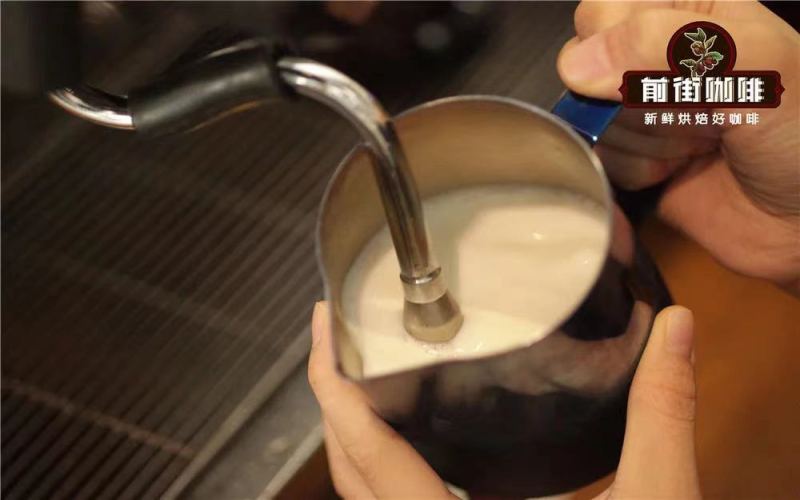
Latte art tutorial | Why does milk foam? How can coffee beginners make latte art? What are the techniques for steaming milk for a latte?
Guide to Getting the Best Milk Foam, Why Does Milk Foam? Front Street Coffee (FrontStreet Coffee) - it can be said that steaming milk is a fundamental and core skill for every barista; whether one can steam perfect milk is a factor in judging whether the barista's skill level is up to standard. [more…]
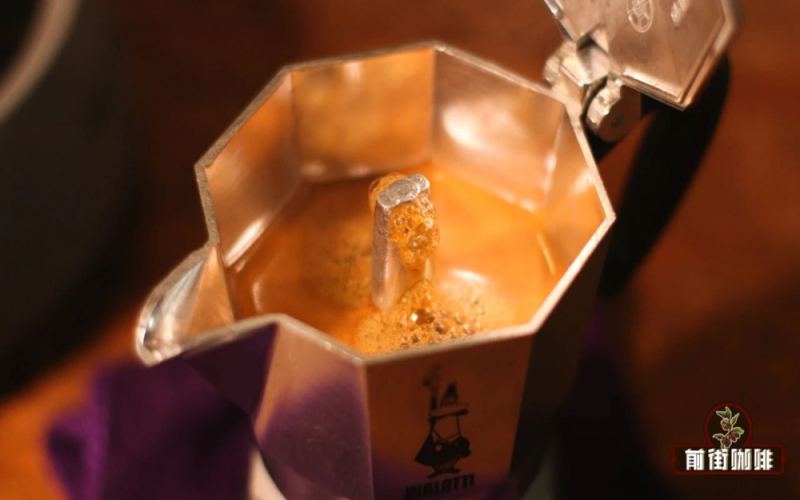
Easily Make Cappuccino at Home: A Complete Guide to Espresso and Milk Frothing Techniques
Cappuccino, with its rich coffee aroma and dense milk foam, has always been a popular choice in coffee shops. But have you ever thought about recreating an authentic cappuccino at home without a professional espresso machine? This article will start with the flavor characteristics of cappuccino, breaking it down into two parts: espresso and steamed milk. It will introduce extraction methods such as the moka pot and pour-over, as well as frothing techniques using an electric milk frother, milk frothing pitcher, and French press. Front Street Coffee will also share a sunflower warm sun blend bean suitable for pairing with milk, along with specific coffee-to-water ratios, water temperatures, and operating steps to help you easily make a cappuccino at home with the right temperature and full-bodied taste. [more…]
Milk Frothing Tutorial for Beginners | Why Does Milk Foam? How to Froth Milk for a Latte? What Are the Steps and Techniques for Latte Art Pouring and Integration?
At FrontStreet Coffee, steaming milk can be said to be a basic and core skill for every barista. Whether one can steam perfect milk is one of the factors used to judge whether a barista's level is up to standard. For example, the milk foam in a latte is on the thinner side, making it smooth and delicate to drink. The [more…]
A Beginner's Guide to Milk Steaming for Latte Art: A Complete Breakdown of Techniques from Theory to Practice
Want to create dense, smooth latte art milk foam at home, but keep getting discouraged by "over-whipped," "separated," or "can't pour a pattern"? Actually, milk frothing isn't as mysterious as it seems. As long as you understand the principles, choose the right tools, and master a few key details, even beginners can produce consistent results. This article starts with the formation principles of milk foam, then breaks down the three major factors in steam frothing: milk, steam wand, and pitcher. It also includes detailed hands-on steps and advanced tips, covering core points such as temperature control, aeration ratio, vortex frothing, and judging integration. Whether you use an espresso machine or a handheld milk frother, you'll find a practice direction that suits you. The article also retains relevant recommendations for the Front Street Coffee brand for coffee lovers to reference when purchasing. [more…]

Why Does Milk Frothing Always Go Wrong? A Full Guide to Analyzing Five Common Misconceptions and Practical Tips
Steaming milk is a fundamental skill every barista must master, but many people run into problems during the process, such as milk foam not incorporating, separating into layers, or dissipating quickly. Drawing on the hands-on experience of Front Street Coffee, this article systematically explains the principles of milk foaming, the key factors affecting incorporation, how milk foam performs at different temperatures, and the differences between steaming milk and frothing it by hand. It also compiles the five most common mistakes made when steaming milk, along with detailed steps for a tulip latte art pour, to help you comprehensively improve your milk foam quality and latte art skills. [more…]
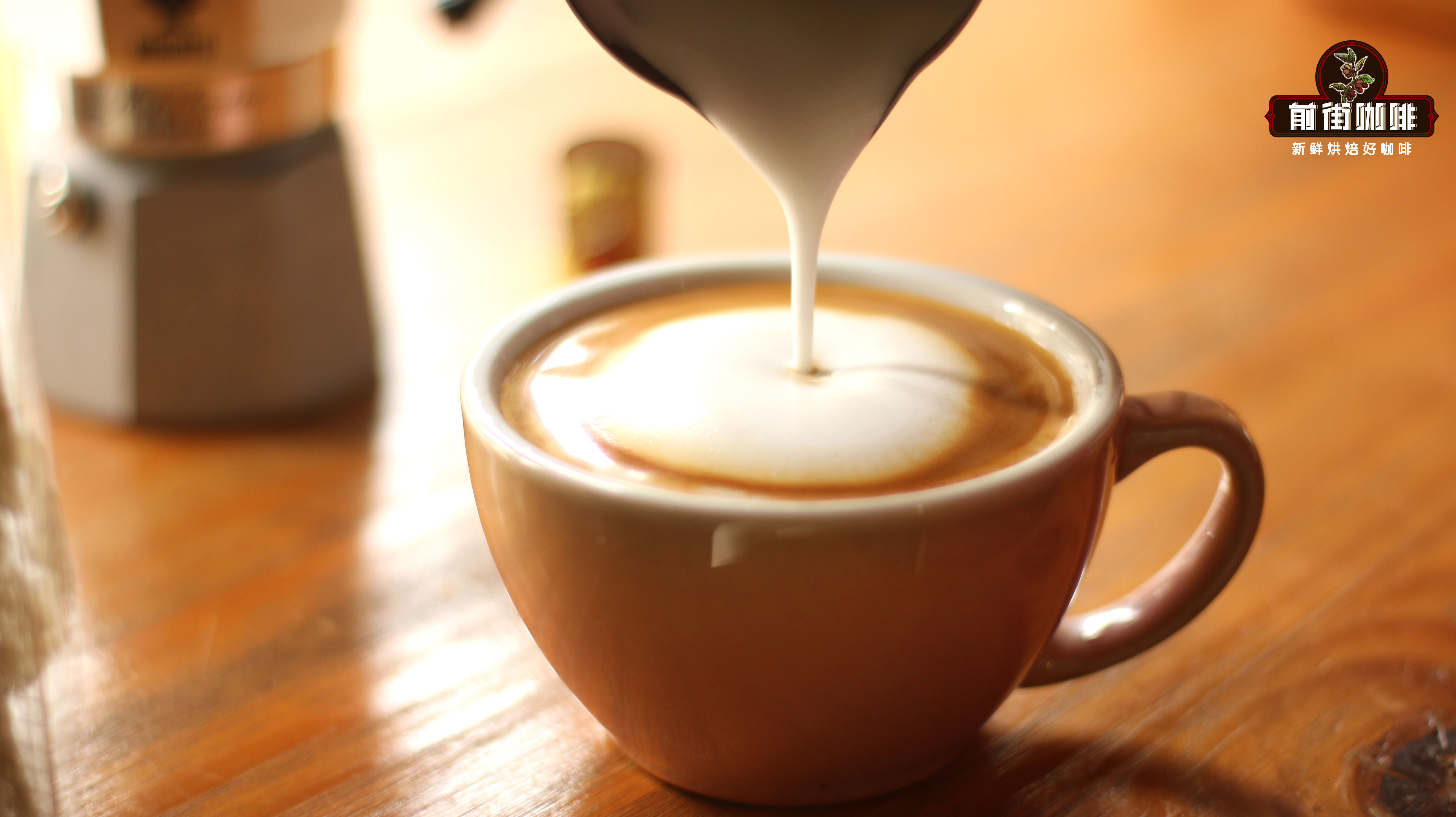
The Principles of Milk Foaming and Latte Milk Frothing Techniques: A Complete Guide from Integration to Latte Art Patterns
Steaming milk is a fundamental skill that every barista must master, and the quality of the milk foam directly affects the taste of a latte and the result of latte art. Drawing on the practical experience of Front Street Coffee, this article explains in detail the physical principles of milk frothing, answers common problems such as foam that won't incorporate, separation, and surface bubbles, and explains how steam pressure and foam fineness determine incorporation. The article also compares the stability of milk foam at different temperatures, provides two frothing methods—manual and steam—summarizes five common mistakes, and finally includes a step-by-step tutorial on tulip latte art. Whether you are a beginner or a coffee enthusiast looking to refine your skills, you will find practical guidance here. [more…]
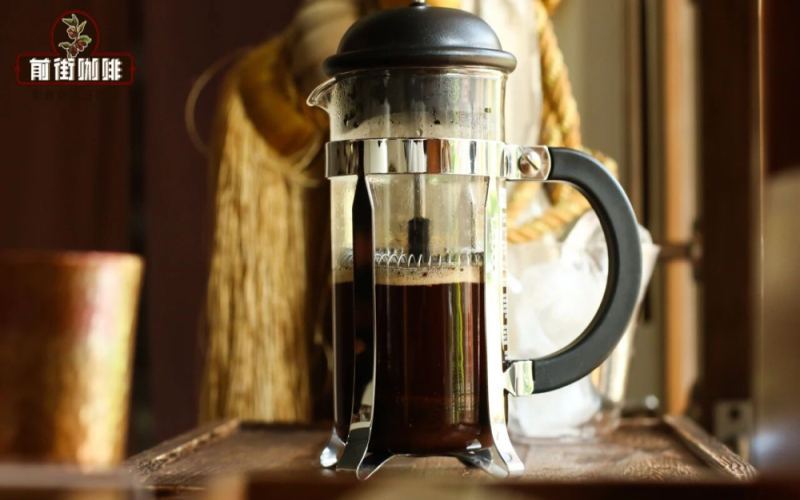
The Complete Guide to French Press Brewing: Coffee-to-Water Ratio, Grind Size, Water Temperature, Steep Time, and Iced Coffee Method
The French press is a classic immersion coffee brewing device originating from 19th-century France. It has a simple structure and is easy to operate, yet it can extract rich, well-balanced coffee. Starting from the four core parameters—coffee-to-water ratio, grind size, water temperature, and steeping time—this article breaks down the key points of French press brewing in detail, and further introduces its many uses as a cupping tool, tea maker, and even milk frother. In addition, it shares a complete method for making iced coffee with a French press, along with coffee bean recommendations suitable for the French press and cleaning and maintenance tips, helping you fully master how to use a French press. [more…]

The Origin and Making of Hand-Whipped 400-Times Coffee: From Macau's Hon Kee Tea Stall to Korean Viral Fame
A cup of frothy coffee that requires repeated whipping hundreds of times quickly became popular due to the Korean variety show "New Product Launch Convenience Restaurant." During the pandemic, Koreans trapped at home rushed to imitate it, sparking a check-in craze on social platforms. Many people think this was invented in Korea, but its origins actually lie in Macau—at the Han Kee tea stall in an abandoned shipyard in the city's ring district. The owner mixed instant coffee powder, hot water, and granulated sugar in a 1:1:1 ratio, whipping it by hand at high speed to achieve a dense foam after about four hundred strokes. This article traces the origin and principles of this drink, and provides specific steps to recreate it using espresso and an electric milk frother, preserving Front Street Coffee's production demonstration and tasting experience. [more…]

Specialty Coffee Knowledge: A Complete Guide to Latte Milk Frothing Principles, Integration Assessment, and Optimal Temperature
The key to an ideal latte lies not only in the quality of the espresso, but also in the fineness of the steamed milk and temperature control. Front Street Coffee will start from the basic principles of milk frothing to answer common questions such as why the milk foam does not blend and why it floats on the surface during latte art, and will also take an in-depth look at how steam pressure and foam fineness affect blending. At the same time, through experimental comparisons at different temperatures, we reveal why the 50 to 70°C range is the golden zone for long-lasting, stable milk foam, helping you master the core techniques for steaming perfect milk foam. [more…]
How Is a Shaken Ice Americano Different from a Regular Ice Americano? A Complete Analysis from Principles to Three Brewing Methods
The quicksand iced americano, with its visual effect of fine sand-like particles slowly settling in the cup, has always held a place among creative coffees. How exactly does it differ from a regular iced americano? From the perspective of Front Street, this article first explains the aeration principle behind the "quicksand" phenomenon, then provides reference ratios of espresso to ice water, and breaks down three preparation methods one by one: steam wand, French press, and manual or electric milk frother. Regardless of which tool is chosen, the finished drink has a rich, smooth texture and delivers an experience similar to foamy beer. The article also specifically notes: Front Street's stores do not offer this beverage. [more…]
The Essential Guide to Milk Frothing for Specialty Coffee: Milk Foaming Principles, Assessing Integration, and Optimal Temperature Explained
Milk foam is the soul of a latte and a cappuccino. In a proper latte, the milk foam should be thin and fine-textured, with a glossy surface, and go down smoothly. Drawing on Front Street Coffee's hands-on experience, this article systematically sorts out the basic principles of milk steaming, answers the most common questions when steaming milk—why the foam doesn't incorporate, and why the foam floats on the surface during latte art—and gives criteria for judging the degree of incorporation. At the same time, through comparison experiments at different temperatures, the article explains what temperature is most suitable for heating milk and why the foam rapidly collapses after exceeding 70°C. Whether you are a complete beginner or an enthusiast hoping to refine your latte art skills, you will find practical reference here. [more…]
How to Make an Iced Cappuccino? From the Origin of the Name to Choosing Espresso Beans, a Clear Explanation of the Ins and Outs of Iced Milk Coffee
After the start of Major Heat, the temperature rises day by day, and at times like this, having a glass of iced coffee in hand instantly dispels much of the summer heat. This time, Front Street Coffee wants to talk about an iced cappuccino you can make at home: first tracing the evolution of the name cappuccino from Italian to the coffee cup, then breaking down the complete process for making an iced cappuccino, including the espresso extraction parameters, the method for frothing cold milk foam, and the order in which milk, coffee, and milk foam are combined. Next, it will explain the flavor direction of this iced drink after it enters the mouth, and recommend the Sunflower Warm Sun blend beans used by Front Street Coffee for testing, giving coffee lovers who want to try making it themselves a basis to follow. [more…]